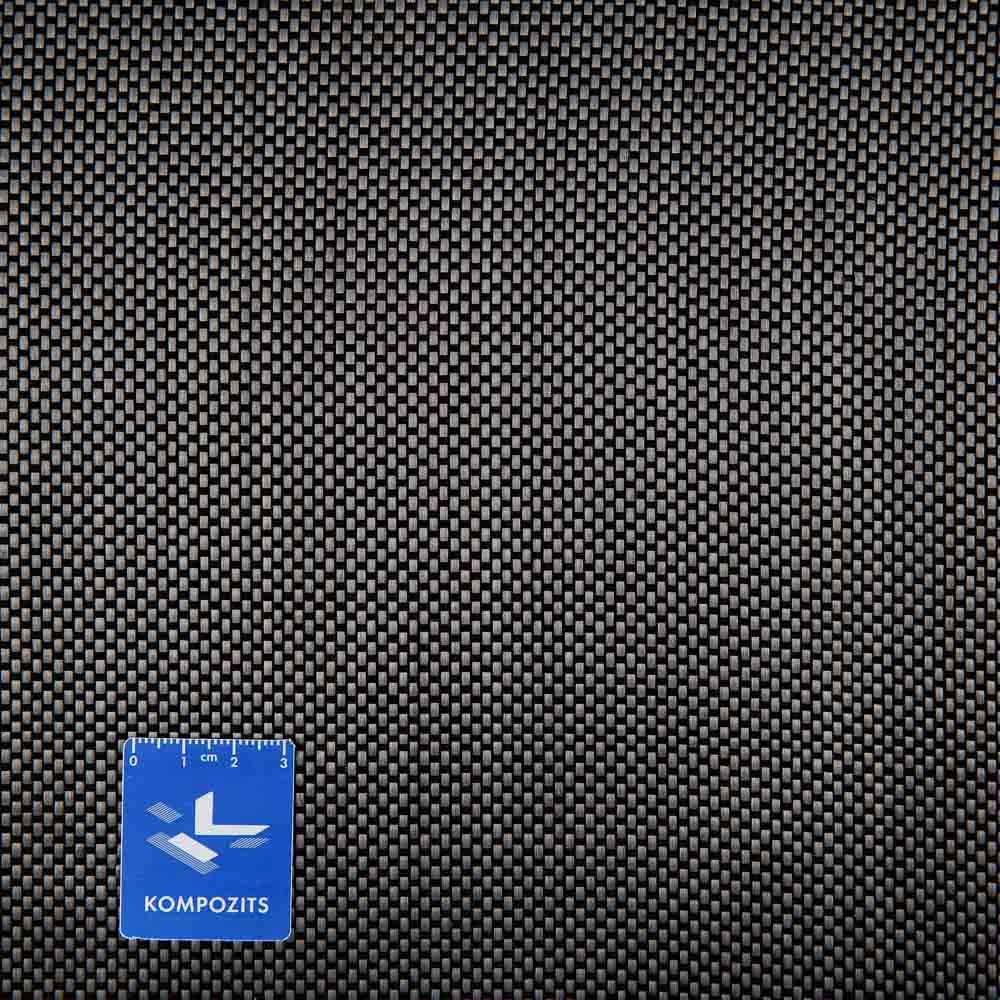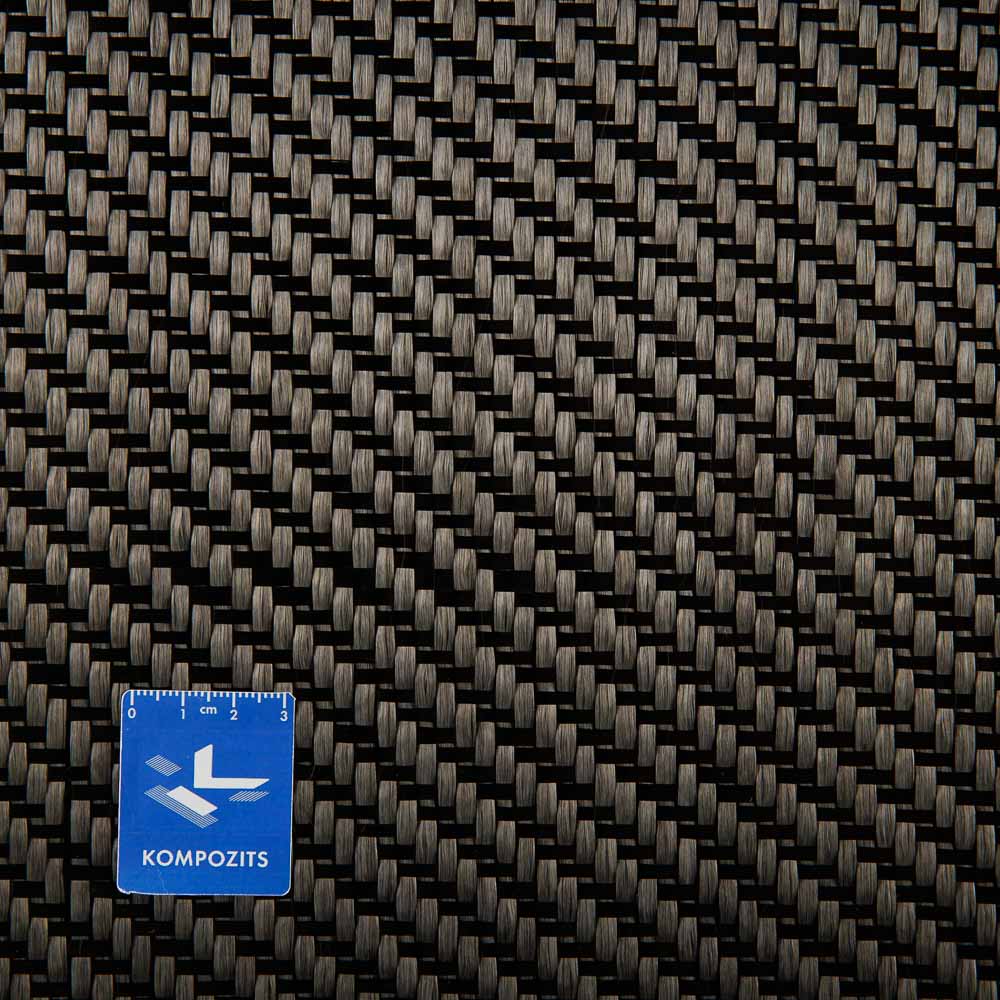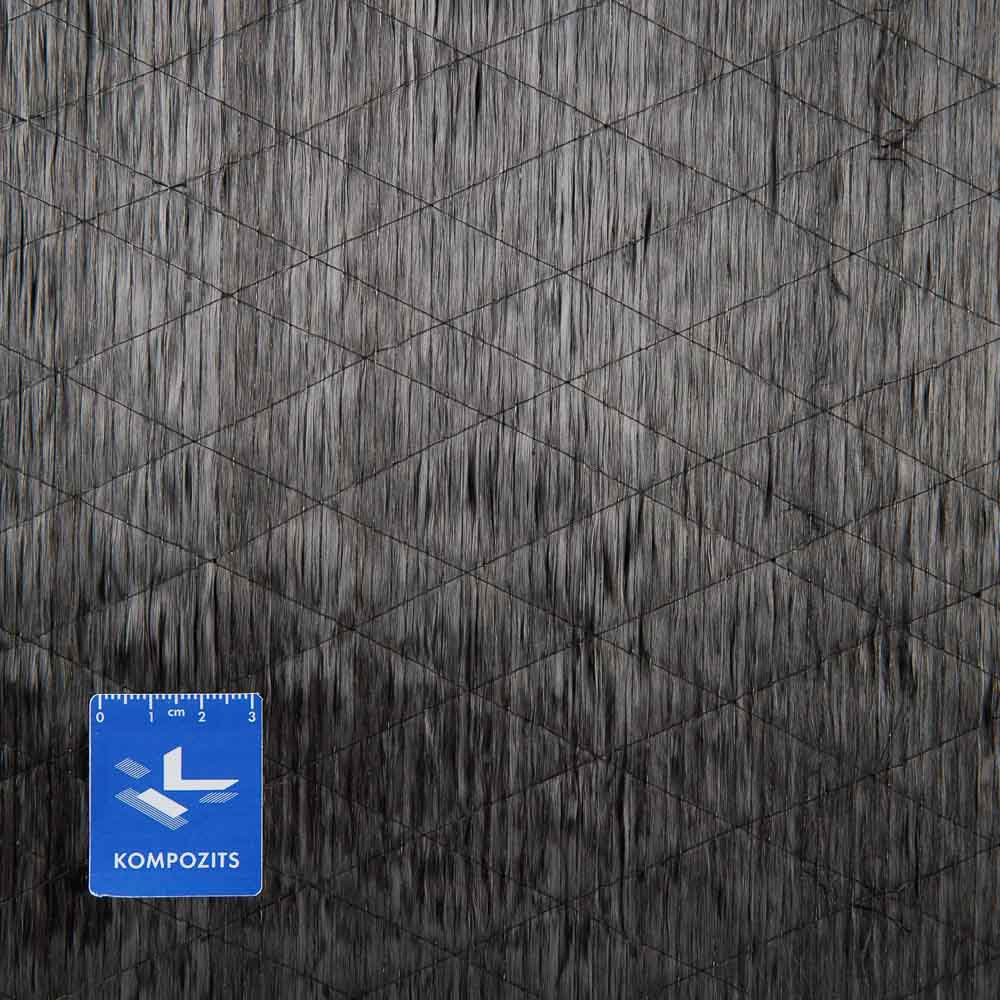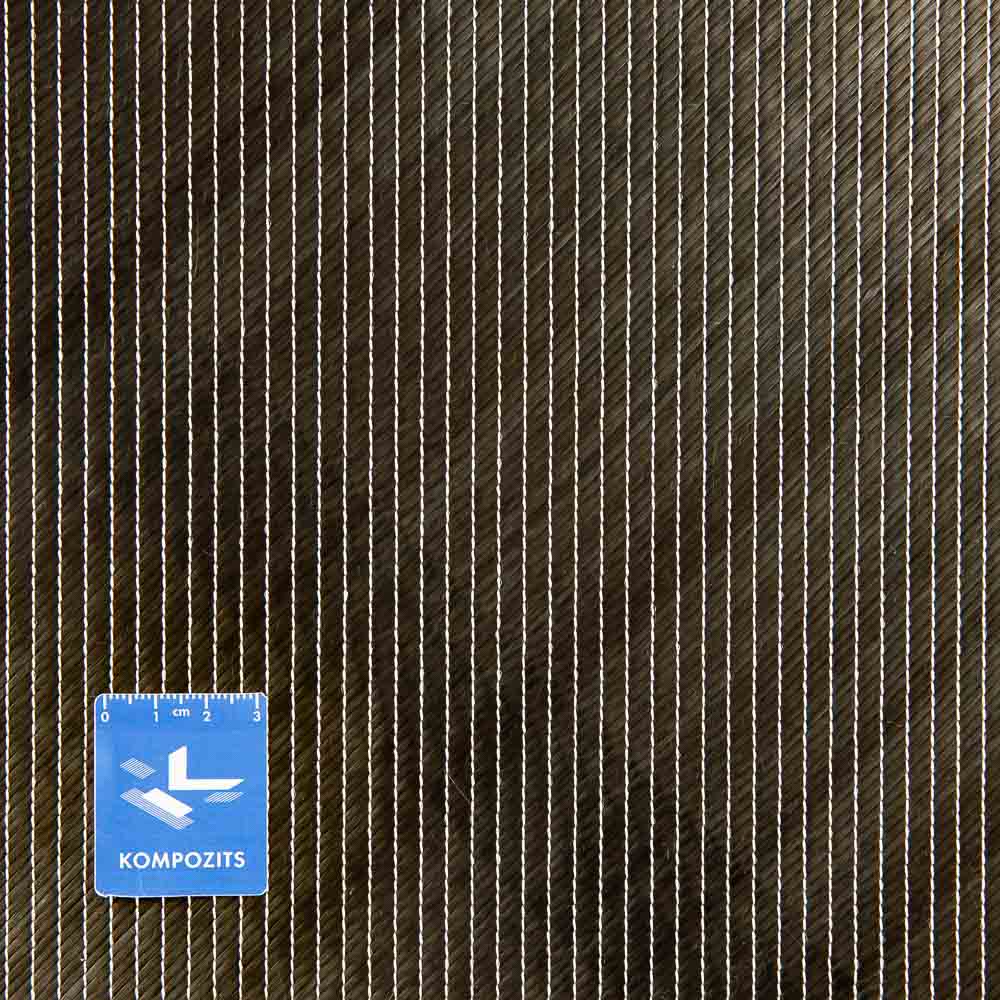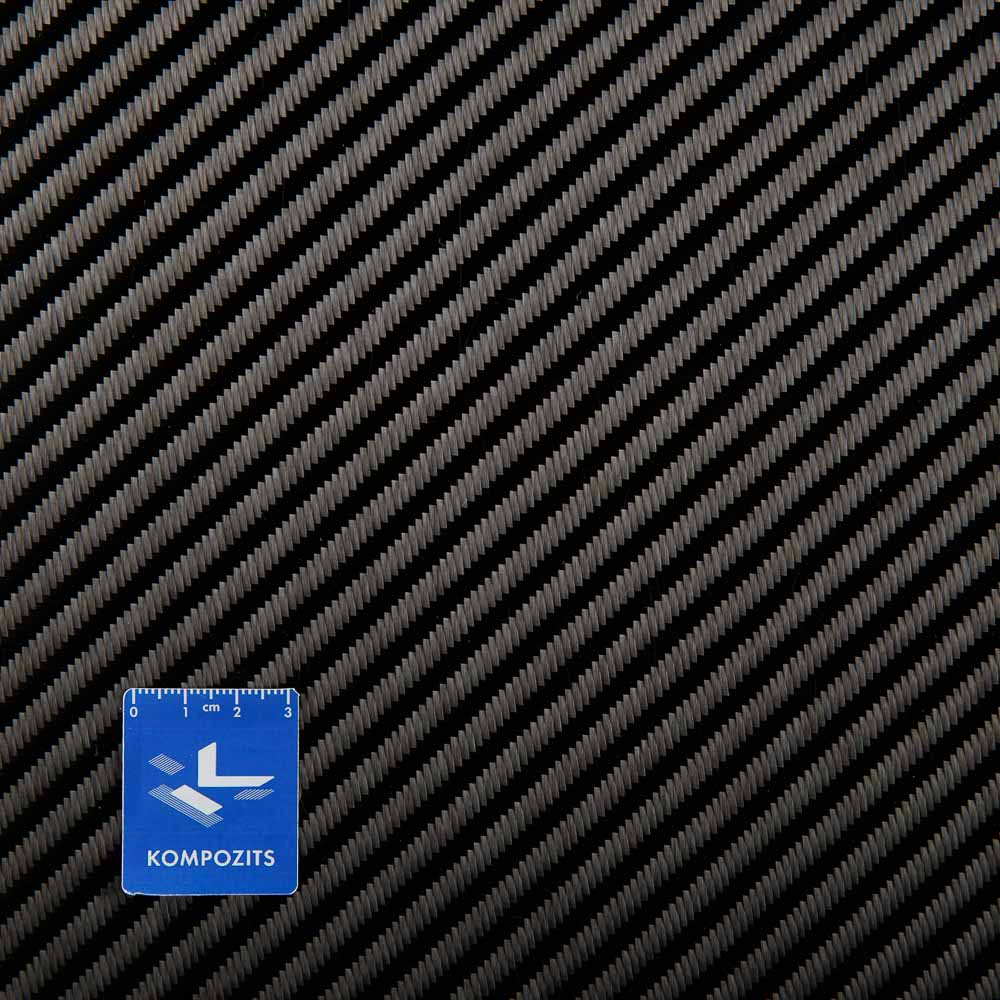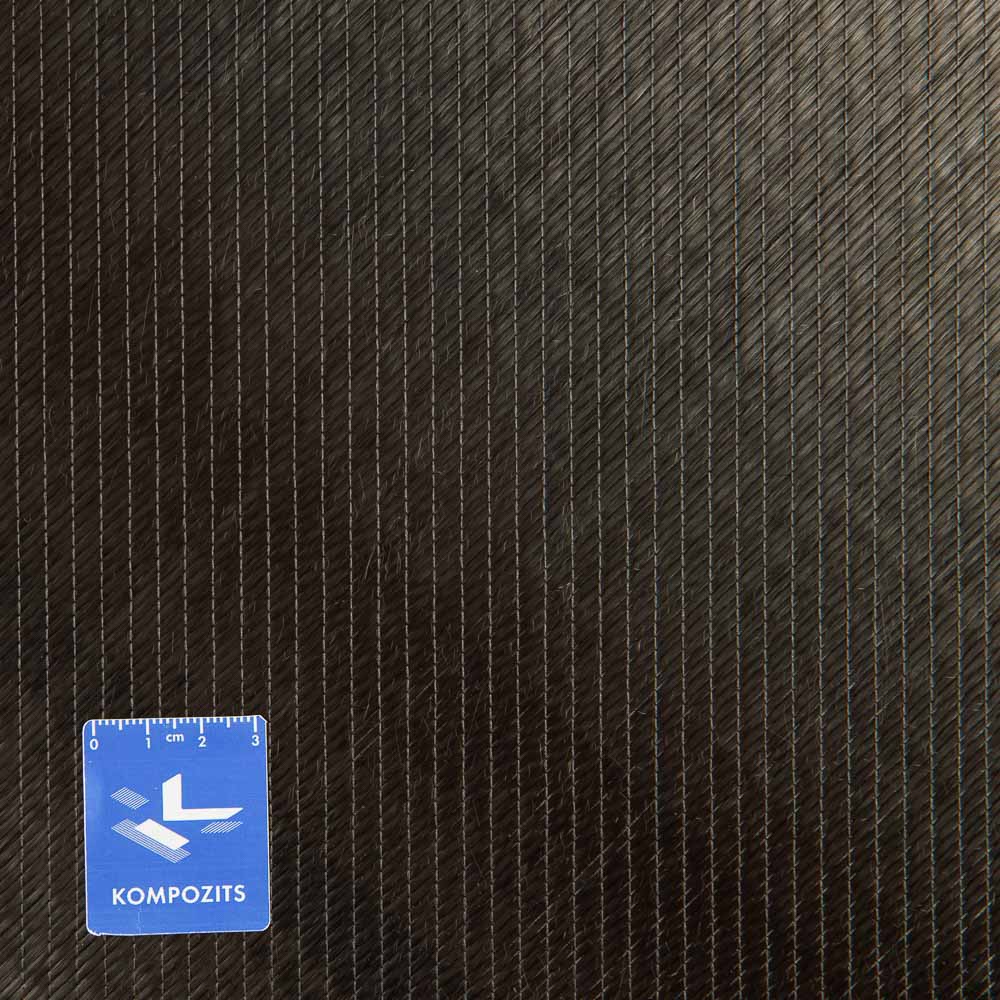
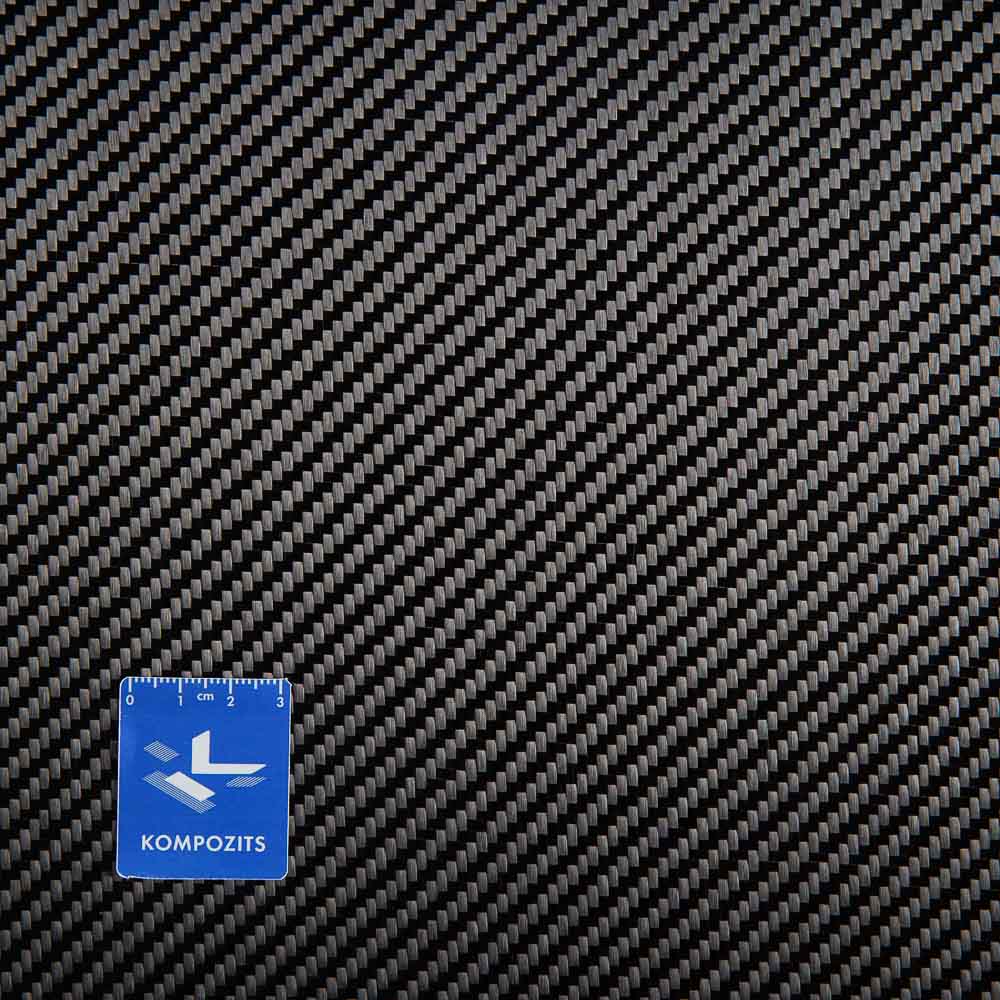
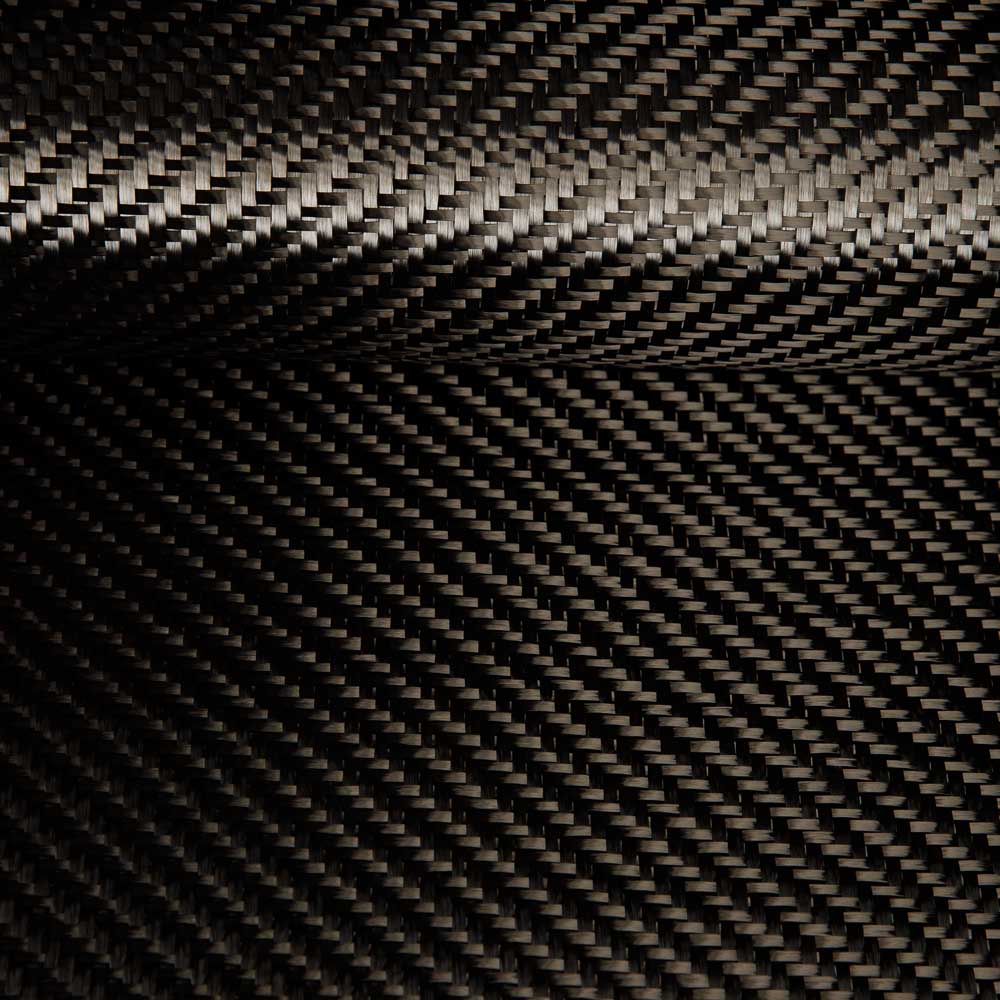
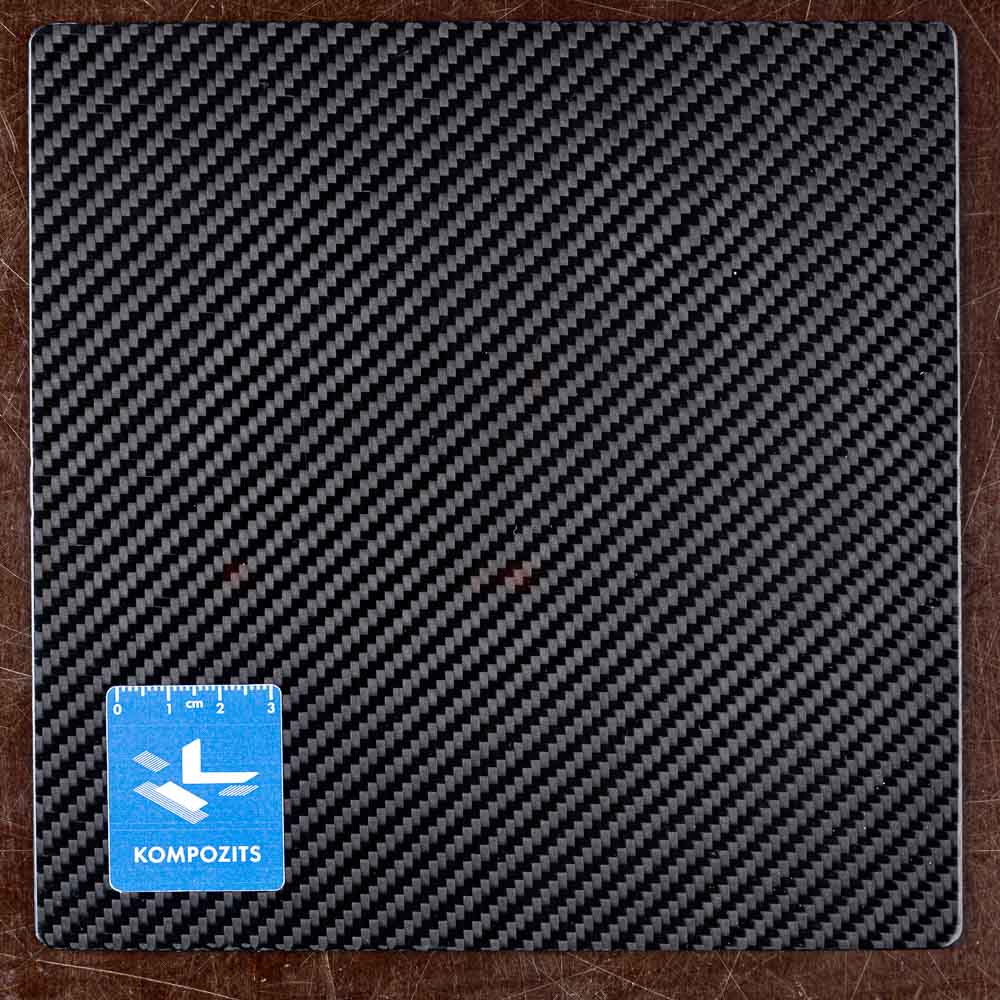
Carbon fiber fabric (Carbon) – a material derived from carbon fiber and used in the manufacture of composite structures such as ships, yachts, airplanes, car and motorcycle parts, sports equipment, and more. Carbon fabric is characterized by high stiffness, heat resistance, and low weight, and belongs to the group of flame-retardant materials.
On average, one layer of carbon fibre in a fabric laminate replaces five layers of glass fibre of the same thickness, allowing very light and rigid parts or structures to be made. Most commonly used in vacuum and vacuum infusion technologies, or for hand lamination and part wrapping, using epoxy, urethane, vinylester and polyester resins.
200 g/m² TWILL 2/2 is the most commonly used carbon fiber fabric.
Properties
- High hardness
- Very robust
- Easy
- High chemical resistance
- High temperature tolerance
- Low thermal expansion
| Article | 2/2 Twill |
| Density | 200 g/m² ±5% |
| Width | 120 cm |
| Fabric thickness | 0.28 mm |
| Laminate thickness | 0.32 mm |
| Resin consumption for manual lamination | ~240 g/m² |
| Resin consumption in vacuum infusion | ~130 g/m² |
Carbon fiber fabric is sold by the square meter, or 1,200 x 833 mm. For example, 5 m² = 1,200 x 4,165 mm.