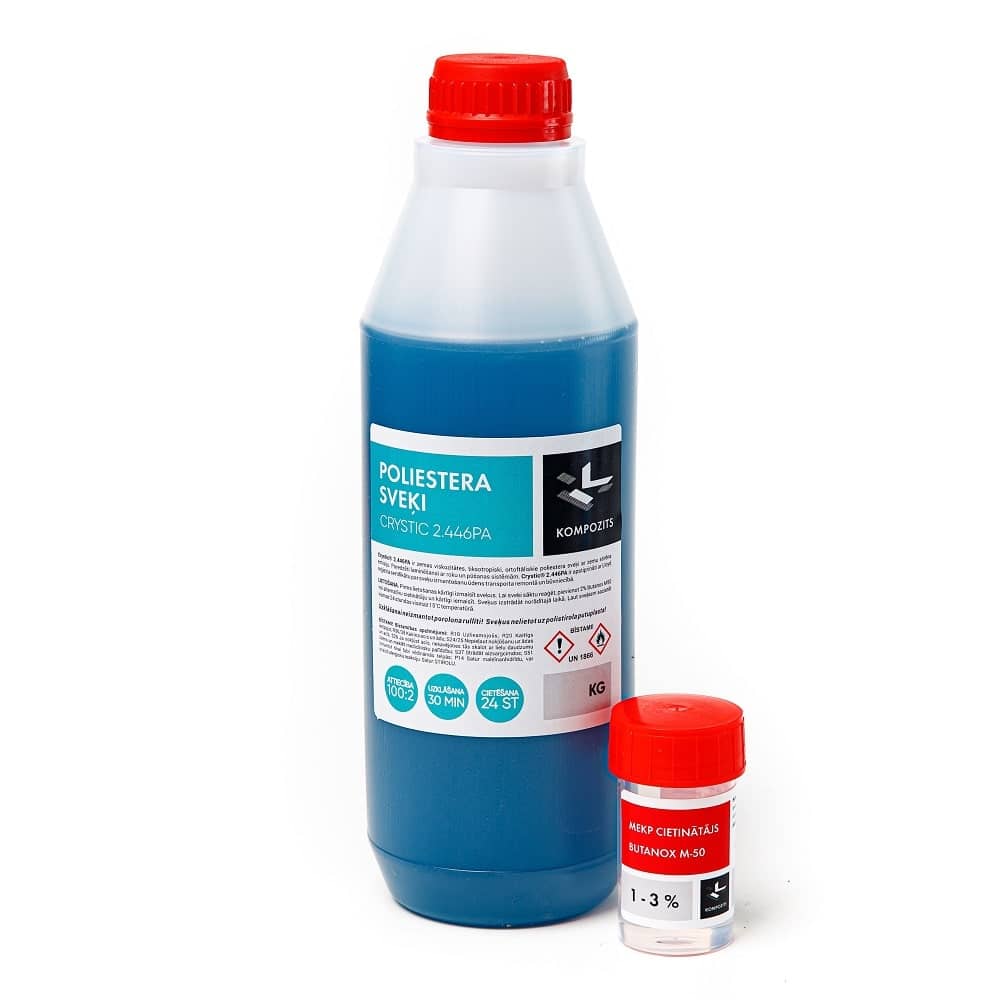
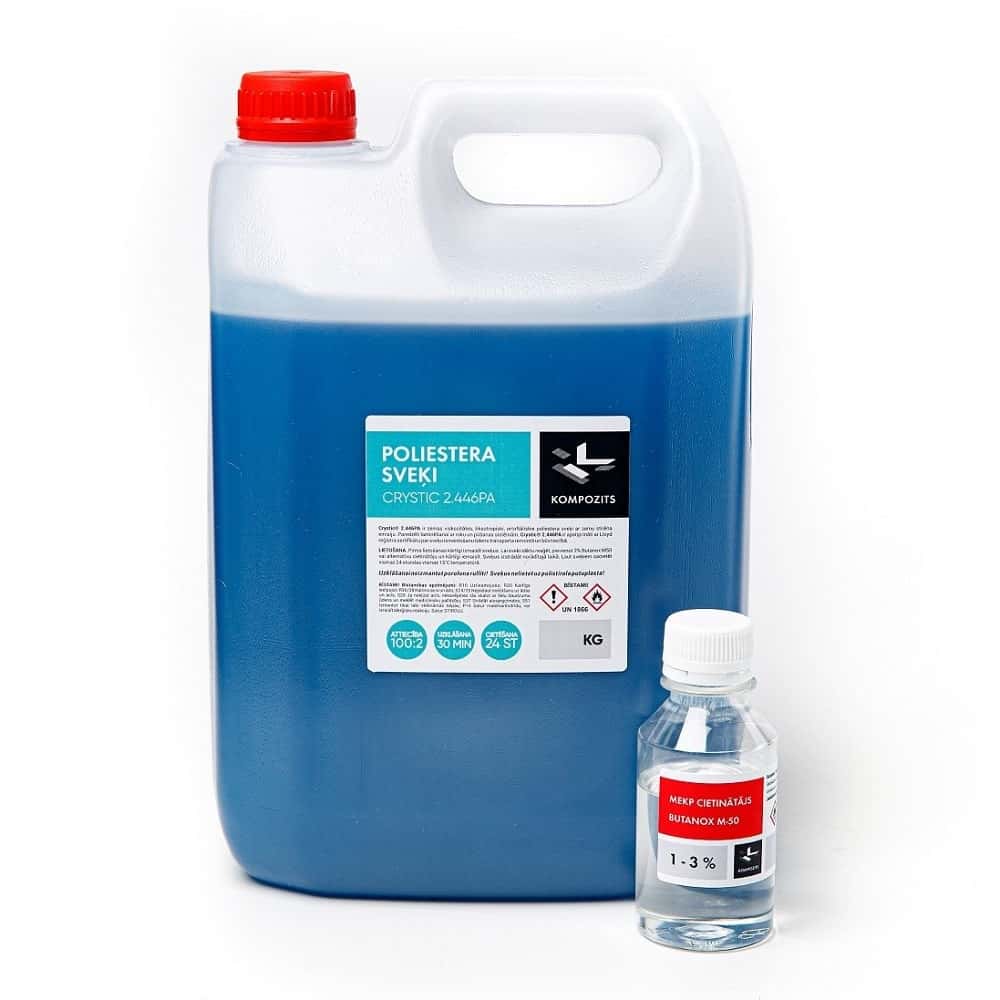
Crystic® 2 Polyester Resin.446PA is a fast- and easy-to-use polyester resin for laminating with fiberglass materials, as well as for making putty by mixing it with fiberglass or various filler powders.
Crystic® 2.446PA polyester resins are Lloyd’s-certified, pre-accelerated orthophthalic polyester resins with low styrene emissions, intended for hand lay-up and, if necessary, spray application using specialized equipment.
Crystic® 2.446PA polyester resins have low exothermic properties and cure relatively quickly.
Their low cost makes these resins the most economical solution for manufacturing various parts and products or for repair work.
Polyester resins are widely used in the automotive, boat, and yacht industries, as well as in architecture, art, and other fields.
Ideal for the manufacture or repair of various parts in combination with fiberglass materials, such as fiberglass mat, roving, fabric, or biaxial fiber.
Crystic® 2.446PA is a UV-stable resin with reduced styrene emissions, which creates a more favorable working environment compared to other polyesters.
Use
Before use, add 2% Butanox M50 (MEKP) hardener to the resin, based on weight or volume, and use the mixture within a specified time period depending on the room temperature. Therefore, it is recommended to measure out the proper amount before starting work.
Curing time: 24 hours (20°C). To achieve the maximum mechanical properties of the resin and laminate, it is recommended to post-cure them for 3 hours at 80°C or 16 hours at 40°C.
| Mixing ratio | 100 : 2 |
| Setting time at a temperature of -15°C | 41 minutes |
| Setting time at a temperature of -20°C | 29 minutes |
| Setting time at a temperature of -25°C | 20 minutes |
| Curing time (20°C) | 24 hours |
The kit contains the required amount of Butanox M50 hardener.
Technical Specifications
| Density | 1.10 |
| Barkola Hardness (Model GYZJ 934-1) | 42 |
| Temperature stability under load | 67°C |
| Tensile strength | 50 MPa |
| Modulus of elasticity | 3,800 MPa |
| Elongation at break | 1.5% |
Warnings and Safety Instructions
Signal word: Danger
Hazard Statements (H-statements): H226 – Flammable liquid and vapors. H315 – Causes skin irritation. H317 – May cause an allergic skin reaction. H319 – Causes serious eye irritation. H332 – Harmful if inhaled. H335 – May cause respiratory tract irritation. H361d – Suspected of causing harm to the unborn child. H372 – Causes damage to organs through prolonged or repeated exposure (hearing organs). H412 – Harmful to aquatic life with long-lasting effects.
Precautionary statements (P-statements): P210 – Keep away from heat, hot surfaces, sparks, open flames, and other sources of ignition. Do not smoke. P211 – Do not spray onto an open flame or other ignition sources. P251 – Do not incinerate or burn, even after use. P261 – Avoid inhaling vapors. P273 – Do not release into the environment. P391 – Collect spilled material. P403 + P233 – Store in a well-ventilated area. Keep container tightly closed. P410 + P412 – Protect from sunlight. Do not store at temperatures above 50°C. P501 – Dispose of used contents/container at a hazardous or special waste collection point.
Response:
IN CASE OF CONTACT OR POISONING: Contact a Poison Control Center or a doctor. IF INHALED: Provide fresh air; rest. SKIN CONTACT: Wash with plenty of water; remove contaminated clothing; if skin irritation or a rash persists—seek medical attention. EYE CONTACT: Rinse with water for several minutes; remove contact lenses if possible; if irritation persists, seek medical attention.
Storage: Store in a well-ventilated area. Keep the container tightly closed.
Disposal: Dispose of the contents and packaging in accordance with local, regional, national, and international regulations.
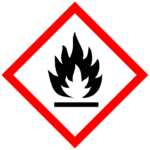
Hazard pictograms: